
Malden Tour & Travel
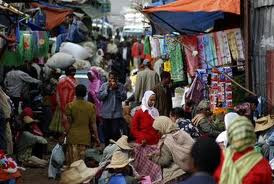
One of Africa’s largest open-air markets, covering several square kilometers in Addis Ababa’s district. #Ethiopia #Africa The Vibe: Intense, chaotic, colorful, and fascinating. Expect constant noise, crowds, honking donkeys, handcarts, and the smell of spices and coffee. What to Buy: · Ethiopian spices (especially berbere and mitmita) · Coffee beans (the birthplace of coffee!) · Traditional textiles, handwoven gabi (cotton blankets) goods, electronics, tools, household items Tourist Tips: · Go with a local guide – it’s huge and easy to get lost or overwhelmed. · Watch your belongings – pickpocketing is common. · Bargain hard – always negotiate prices. · Wear closed-toe shoes – uneven, muddy paths. · Best time: Morning before it gets too crowded. Nearby bonus: Stop for fresh-roasted Ethiopian coffee at a small stall inside the market.

Perfect for foodies, coffee lovers, and those who want to experience the creative side of Addis. #Ethiopia #Africa Morning · Visit a local coffee roasting house (Tomoca or a family-run roastery) for a tasting and brief behind-the-scenes tour. · Lideta Mercato – browse contemporary Ethiopian fashion, jewellery, and leather goods in an artistic market setting. Midday · Hands-on cooking class – learn to make injera, shiro, or tibs, then enjoy your meal (lunch included). · Or a guided street-food walk: samosas, fu’ul (spiced fava beans), and fresh juices. Afternoon · African Jazz Village (if open) or a private music & dance experience – short live eskista shoulder dance and traditional instruments. · Visit the Zoma Museum – an eco-friendly contemporary art and architecture space with a beautiful garden café. Late Afternoon · Extended traditional coffee ceremony with popcorn, incense, and storytelling. · End with a honey wine (tej) tasting at a local tej bet.
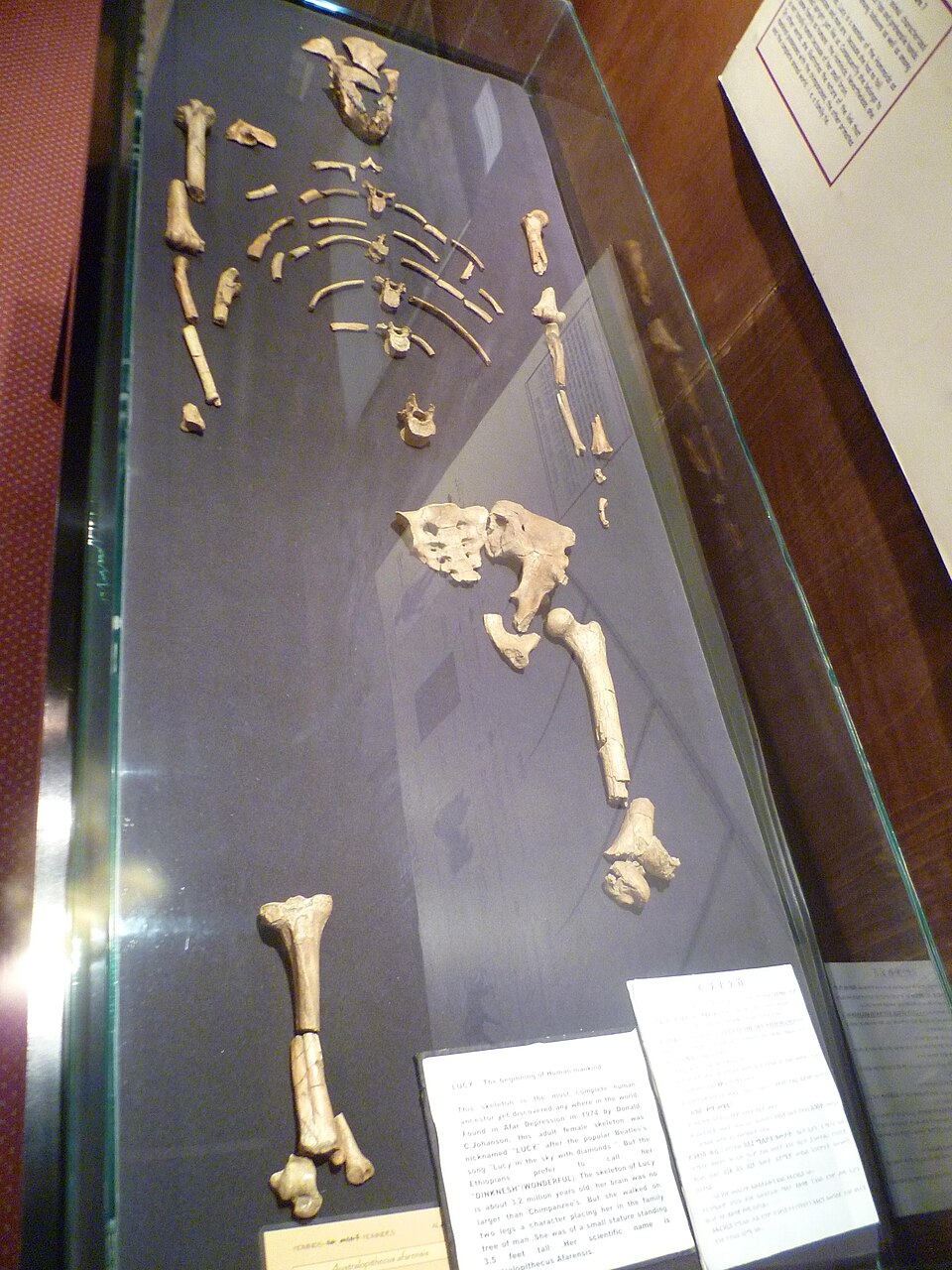
A premier attraction in Africa, most famous for housing the 3.2 million-year-old hominid fossil "Lucy". While many museums boast ancient history, this one holds the actual 3.2-million-year-old fossil of “Lucy” (Australopithecus afarensis)—the most famous hominid skeleton in the world. Seeing her original remains (carefully preserved in a special case) is not just sightseeing; it is a pilgrimage to the root of your own family tree. Beyond Lucy, the museum offers an unmatched journey: · Paleoanthropology: The Selam child (“Lucy’s baby”) and other fossils that rewrite human evolution. · Aksumite & Medieval treasures: Exquisite golden coins, royal thrones, and the only surviving imperial crowns. · Ethiopian art: Captivating religious icons and modern works by masters like Afewerk Tekle. In short, it is small but world-class. You can tour it completely in 1–2 hours, yet you will walk out having glimpsed over 3 million years of history. For any traveler seeking meaning, not just landmarks, this museum is absolutely essential.

Unity Park is a major historical and cultural destination in Addis Ababa, Ethiopia, created from the grounds of the historic Grand Palace and opened in October 2019. Here's a quick overview: · 🏛️ Rich History: The park is on the historic Grand Palace grounds, established in 1887. It served as the seat of power for over a century for seven Ethiopian leaders, from Emperor Menelik II to the current Prime Minister. · 🎡 Diverse Attractions: Blends history and nature. Includes the Black Mane Lions’ Zoo, a 175-meter-long cave, an Indigenous Garden, restored imperial buildings like the "Egg House", and a museum featuring a golden throne and historic artifacts. The zoo also houses over 37 mammal species including giraffes, zebras, and cheetahs. · 💰 Practical Info: Open Tuesday to Sunday from 9 AM to 4 PM (closed on Mondays). Ticket prices are approximately $7 for regular admission and $34 for VIP. · 🌍 Symbolism and Impact: Initiated by Prime Minister Abiy Ahmed as part of an "Ethiopian Renaissance" and beautification efforts to promote unity and preserve heritage. It aims to foster pride in Ethiopian culture and generate tourism revenue, transforming a once-private political center into a public space celebrating national identity. I hope this overview helps. If you're planning a visit and have specific questions, feel free to ask.
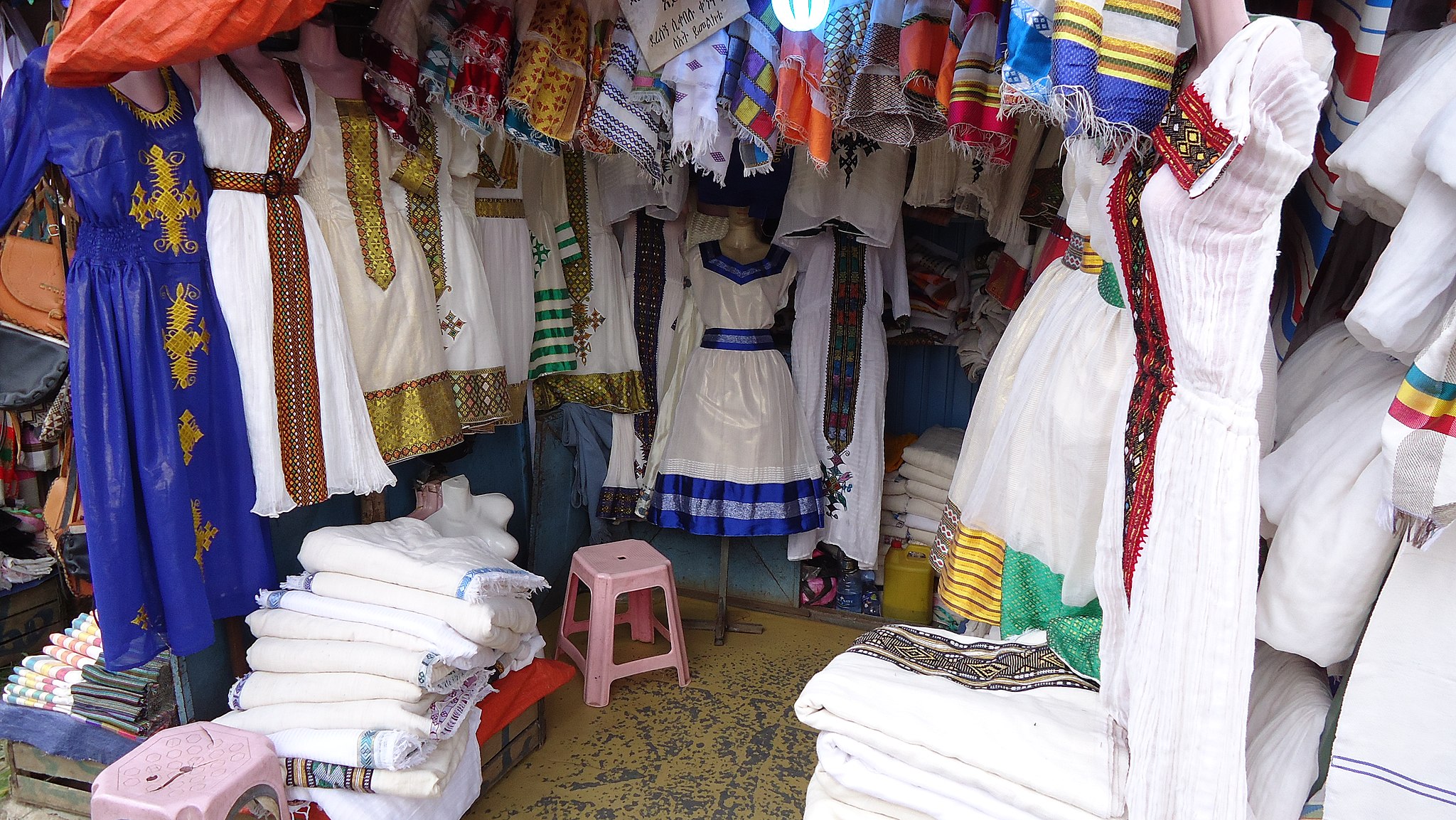
· 👗 Traditional Clothing Hub: This is the epicenter of Ethiopian traditional attire where shops offer hand-woven Habesha kemis, colorful shawls, scarves, and Oromo garments like those worn during the Irrecha festival. You can buy, rent, or special-order items. · ❤️ Cultural & Artistic Hub: You can watch local Gamo people weaving and find other crafts like jewelry, woodcarvings, and baskets. The site provides an authentic, bustling local atmosphere where bargaining is common. · 🏺 Empowering Pottery Site: The nearby "Ethiopian Women Pottery" shop employs low-income women to make traditional ceramics from hand-pounded clay. Note that it is closed on Sundays and public holidays. Step into Shiro Meda, where Ethiopia’s living heritage is woven and fired into existence. Here, the rhythmic clack of looms produces more than textiles—it produces identity. Master weavers craft shimmering shemma shawls and habesha kemis, each geometric border and vibrant pattern whispering stories of ceremony, faith, and community. These are not souvenirs; they are wearable histories, wrapped around brides, priests, and elders for generations. Just beyond the looms, clay comes alive. At the pottery site, calloused hands spin the same red earth into jebenas (coffee pots) and mitads (cooking griddles) as their ancestors did centuries ago. Each vessel is a cornerstone of daily life, from the sacred coffee ceremony to the humble injera baking. But this legacy is fragile. Modern imitations flood the market. To buy at Shiro Meda is to make a stand: for the artisan’s skill, for economic dignity, and for a culture that refuses to be mass-produced. Visit Shiro Meda. Touch the cloth. Hold the clay. Wear and use a masterpiece that connects you to the soul of Ethiopia—before the silent roar of the looms fades into memory.